


Legal representation is a critical resource in protecting individual rights and ensuring fair treatment within the justice system. For many people, resolving disputes or addressing legal issues can be complex and overwhelming, making guidance and support from a knowledgeable lawyer invaluable. Whether dealing with family matters, housing issues, or employment disputes, having proper legal assistance can significantly impact the outcome and provide peace of mind during challenging times.
The presence of skilled legal advocates not only improves the well-being of individuals but also strengthens communities by reducing wrongful convictions, housing injustices, and unfair business practices. Equal access to legal resources can break down societal barriers tied to socio-economic status and promote fairness for all, regardless of background or financial means. When legal aid is available, vulnerable populations are less likely to be exploited or harmed by systemic gaps, helping to create a just society.
Notably, efforts to expand access to legal aid, enhance pro bono services, and adapt to technological advancements are shaping the future of legal support. This evolving landscape brings greater hope for those who have traditionally been excluded from the legal system or unaware of their rights, ensuring more decisive pathways to resolve disputes and protect their interests.
Choosing the right legal professional can be a life-changing decision. If you require specialized expertise, an experienced attorney could make all the difference in navigating complex legal matters, from estate planning to business transactions.
Importance of Legal Representation
Having access to legal representation ensures that individuals aren’t left vulnerable when facing high-stakes situations—such as eviction, lawsuits, or unfair treatment by employers or government agencies. Without expert guidance, many people risk losing assets, employment rights, or even custody of their children. Legal professionals understand not just the law but also how local procedures and courts operate, providing vital support and strategic advice. According to The New York Times, effective legal representation can determine whether a person secures housing or faces homelessness—a key example of why legal help matters so deeply.
Access to Legal Aid Services
Legal aid organizations are a lifeline for those unable to pay private legal fees. These agencies, often nonprofit, provide pro bono or reduced-cost representation in areas such as domestic violence, immigration, housing, and consumer protection. Services like those provided by Bet Tzedek are central to ensuring equal access to justice. For millions of Americans, this support prevents exploitation and helps people assert their rights in situations where they might otherwise remain powerless.
Pro Bono Work and Community Support
Lawyers who dedicate time to pro bono work play a powerful role in bridging the justice gap. In states like Florida, formal pro bono programs enlist practicing attorneys to accept cases involving vulnerable populations, such as children, seniors, and low-income families. Beyond case work, attorneys also participate in community outreach, workshops, and legal clinics. These initiatives not only expand access to critical legal support but also increase public trust and confidence in the legal system. Coverage by the ABA Journal details these transformative efforts.
Challenges in Accessing Legal Representation
Despite these advancements, many still fall through the cracks—particularly rural residents, non-English speakers, and individuals with disabilities. Logistical barriers, funding shortages, and overburdened legal aid staff mean not everyone who needs help can get it. States such as Georgia are working to innovate, developing new models for service delivery and collaborating with neighboring states to share best practices and resources. This evolving landscape highlights ongoing gaps but also the ingenuity required to address them.
Impact of Legal Representation on Housing Stability
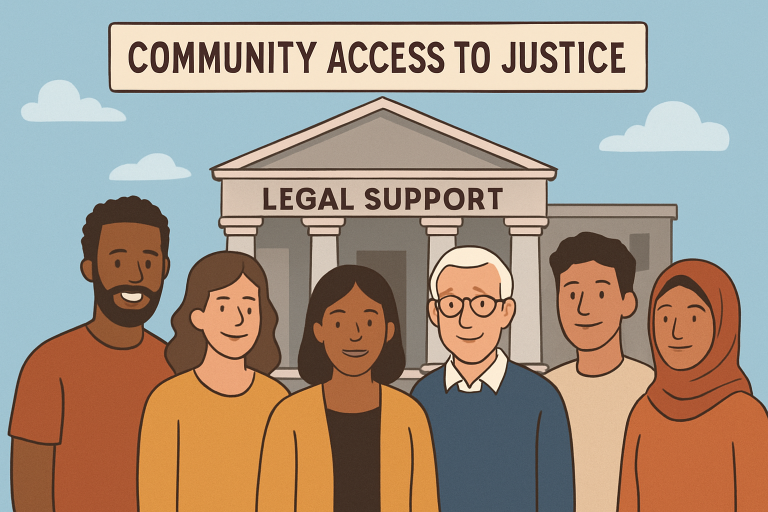
Nowhere is the value of legal representation more apparent than in housing disputes. Tenants facing eviction who have an advocate are significantly more likely to reach favorable settlements, remain housed, or avoid judgments that can negatively impact their credit and rental histories for years. Legal service providers often secure crucial rent relief or negotiate repayment plans, actively preventing homelessness and its devastating ripple effects. The link between legal help and housing stability is well-documented and remains a central argument for expanding legal aid funding and policies.
Legal Representation in Family Law Matters
Family law is another area where expert legal support can change lives. Navigating divorce, custody, or child support battles without representation is daunting and can lead to inequitable outcomes. Legal aid and pro bono family law services help ensure both parties are treated fairly according to the law, enabling child welfare, property division, and personal safety to be equitably safeguarded. By providing these critical supports, legal aid organizations make a significant contribution to community stability and well-being.
Technological Advancements in Legal Services
The digitization of legal services is dramatically improving accessibility. Platforms that provide virtual consultations, document preparation, and online court appearances now make it possible for individuals—regardless of their location—to receive timely legal advice. Advancements in technology also allow legal aid organizations to serve more clients efficiently and reach those who might have previously been isolated from legal resources. As covered by Forbes, this trend is likely to grow, innovating how legal support is delivered and accessed.
Conclusion
Legal representation is an indispensable pillar of an equitable society, influencing everything from housing and employment stability to family integrity and personal safety. With ongoing efforts to expand legal aid, promote pro bono work, and advance the use of technology, the justice system becomes increasingly accessible and responsive. Widening these pathways is essential to ensuring no individual or community is left behind in the pursuit of justice and fairness.