


The Rise of Digital Evidence in Litigation
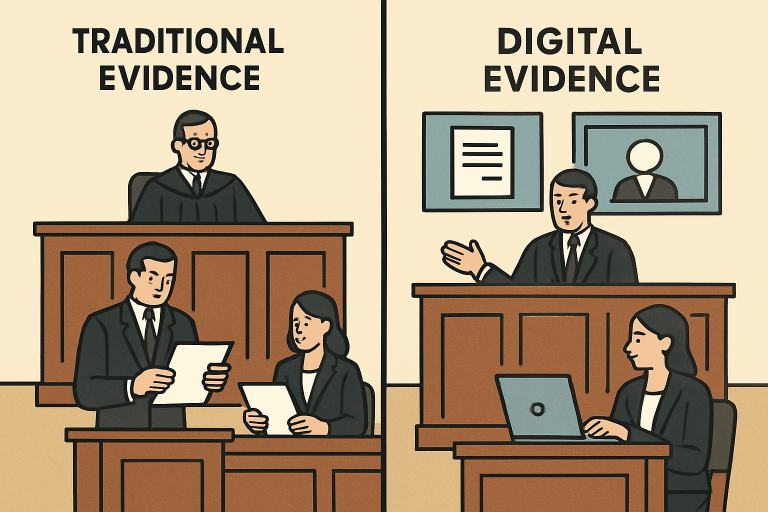
Modern litigation is rapidly changing due to the rise of digital evidence like emails, social media, encrypted docs, and cloud files. Courts are adjusting, boosting demand for e-discovery experts who manage and verify vast datasets with advanced methods.
For clients navigating these new challenges, selecting representation that understands both traditional and digital evidence is critical. An estate planning attorney Queens NY who stays current with technological advances ensures clients’ interests are steadfastly protected within this evolving legal landscape. Staying informed about the latest legal developments related to digital assets can make all the difference in securing a favorable outcome. Additionally, a knowledgeable attorney can guide clients through complex digital estate planning strategies. Ultimately, having an attorney well-versed in both traditional and digital evidence provides peace of mind and comprehensive legal support.
The Growing Role of Alternative Dispute Resolution
The legal system is shifting from long courtroom battles to alternative dispute resolution (ADR) methods like mediation and arbitration. This change is driven by desires for cost savings, quicker settlements, privacy, and maintaining professional relationships. Courts often encourage or require parties to try ADR before trial, highlighting mediation’s effectiveness in reaching mutually agreeable solutions. This cooperative process allows parties to influence the outcome directly, often resulting in more tailored solutions than judicial decisions. Additionally, ADR’s confidentiality protects sensitive business or personal information.
Technology’s Influence on Courtroom Procedures
In recent years, technology in courtrooms has transformed legal procedures. Digital exhibits and multimedia make complex info clearer, while tools like real-time transcription and video conferencing improve accessibility and reduce logistical issues for key participants. Investing in legal tech platforms streamlines case prep, enhances document management, and promotes better collaboration between legal teams and clients. As the New York Times notes, increasing technology use is boosting efficiency and fairness as court systems digitize their case management.
Pre-Trial Considerations: Strategy Before Stepping Into Court
Preparation and the ability to anticipate challenges remain paramount in the litigation process. Attorneys must conduct detailed case analysis, develop clear narratives, engage with subject matter experts, and scrutinize both new and traditional forms of evidence. Thorough pre-trial preparations enhance the prospects for favorable settlements and help clients avoid unnecessary litigation expenses.
Strategic pre-trial maneuvers also now include decisions about how best to present digital evidence, when to propose alternative dispute resolution, and how to adapt to the technological proficiency of opposing counsel and the court.
Understanding Jury Perceptions in a Digital Era
Juries today are more tech-literate, informed, and influenced by digital media than ever before. This shift changes how they process information, form impressions, and reach verdicts. Attorneys must craft arguments that account for jurors’ expectations for visual, concise, and interactive evidence. Ensuring that evidence is easily understandable, attention-grabbing, and verifiable is crucial for swaying jury opinion.
Recent American Bar Association studies indicate that jurors expect a higher standard of technological clarity in trial presentations, making it essential for legal teams to modernize their trial strategies.
Adapting to Remote Hearings and Virtual Trials
The COVID-19 pandemic fast-tracked the adoption of remote hearings and virtual trials. Tools such as Zoom, Microsoft Teams, and secure evidence-sharing platforms have become essential, enabling courts to continue operations while safeguarding health and accessibility. Remote proceedings facilitate easier participation for expert witnesses, parties, and counsel from anywhere, thereby increasing scheduling flexibility.
However, virtual litigation brings new complexities: ensuring technology functions smoothly, preserving the integrity of testimony, and verifying that all parties have equal access to digital resources. Continual advancements in online courtroom security and protocols are helping to address these challenges as the prevalence of virtual proceedings grows.
Emerging Trends: A Global Perspective
National borders no longer confine litigation. The expansion of cross-border commercial activities has led to a rise in international disputes and a growing reliance on international arbitration forums. Jurisdictions worldwide are watching one another for best practices in digital evidence management, cybersecurity, data privacy, and the remote handling of witnesses.
Forward-thinking legal professionals closely monitor developments in countries such as the UK, Canada, and Singapore, where court systems have pioneered initiatives for virtual proceedings and enhanced transparency. This comparative perspective informs more robust and adaptable litigation frameworks within the country.
.
Conclusion
Litigation in modern courtrooms is evolving in response to technological advancements, shifting client expectations, and an increased emphasis on efficiency and transparency. These trends are reshaping how attorneys prepare cases, present arguments, and connect with judges and juries. By staying attuned to new tools, precedents, and strategies, legal professionals can remain agile in a highly competitive environment. Ultimately, those who adapt thoughtfully will not only strengthen their cases but also redefine what effective advocacy looks like in today’s legal arena.