

Key Takeaways
- Repeated repair visits can indicate an incomplete repair, an incorrect diagnosis, or an underlying issue that has not yet been identified.
- Steering, braking, stalling, smoke, fuel odors, overheating, and loss of power should be treated as potential safety issues.
- Repair orders, videos, fault-code reports, and a written timeline can help establish what happened and when.
- Recall searches, warranty terms, and state consumer rules may affect the owner’s available options.
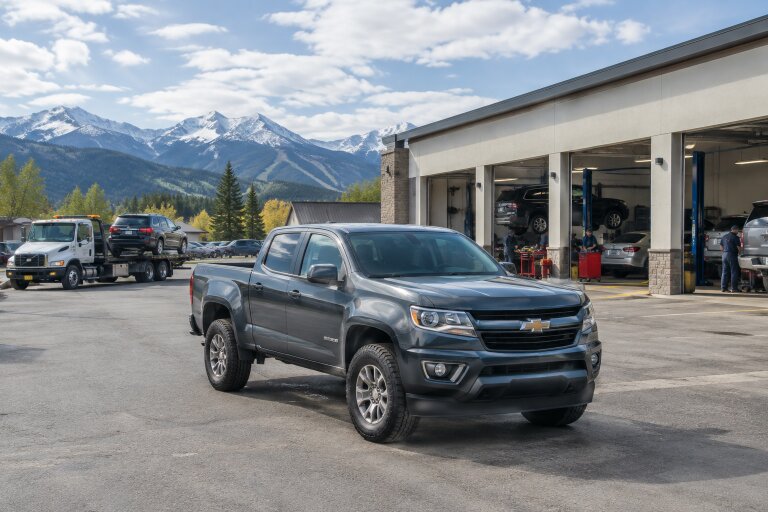
Colorado pickup owners often rely on their trucks for mountain driving, job sites, towing, winter travel, and long highway miles. When the same issue keeps recurring after service, it is worth treating it as a pattern rather than an isolated inconvenience. Reading Colorado owner complaints and reviews can also help drivers recognize the kinds of concerns other owners have reported, while keeping the focus on the specific facts affecting their own vehicle.
A repeat repair does not automatically mean a truck has a major defect or that a dealer acted improperly. Some problems are difficult to reproduce, especially when they occur only on steep grades, during cold starts, while towing, or after extended driving. Still, a careful record, clear communication, and prompt attention to safety symptoms can make the next steps much easier.
Why Repeat Repairs Matter
Routine maintenance, such as oil changes, tires, brake pads, and filters, is different from an unresolved recurring symptom. A truck that returns three times for the same loss-of-power complaint, warning light, leak, hard shift, or no-start condition deserves closer review. The issue may be intermittent, but earlier repair orders can indicate whether the reported symptom is truly recurring.
Put Safety First
Do not prioritize convenience over safe operation. Park the truck and consider a tow if it has reduced braking ability, loss of steering assistance, sudden stalling, severe overheating, smoke, a burning smell, a fuel smell, a visible fluid leak, or a major airbag or seat belt warning. Avoid clearing warning codes, disconnecting the battery, or continuing to drive a vehicle that may be unsafe to get it to the shop.
Spot the Pattern in the Problem
A technician has limited time to duplicate a problem, so details matter. Record the date, mileage, outside temperature, road conditions, speed, dashboard messages, and exactly what the truck did. Note whether the symptom appears during a cold start, climbing an I-70 grade, towing a trailer, braking, turning, accelerating, or driving over rough roads. Also, document what changed after each repair attempt.
Build a Complete Repair File
Keep every service document, including paperwork stating no problems were found. The Federal Trade Commission advises consumers to obtain a completed repair order that describes the work performed, parts supplied, charges, and odometer readings. Its guidance on written estimates and completed repair orders is especially useful when a diagnosis or repair recommendation changes over time.
Documents to Save
- Repair orders, invoices, diagnostic reports, and fault-code printouts.
- Photos or videos showing warning lights, leaks, noises, or other symptoms.
- Emails, text messages, and written responses from the dealer or manufacturer.
- Towing, rental, rideshare, and other transportation receipts.
- Warranty documents, service contract terms, and records of days the truck was unavailable.
Simple Repair Log
- Date and mileage: Record when the issue occurred.
- Symptom: Describe what happened without guessing at the cause.
- Conditions: Include weather, speed, terrain, towing, and warning messages.
- Shop response: List testing performed, findings, and repairs authorized.
- Result: State whether the problem returned and how soon.
Check Recalls and Safety Complaints
A safety recall is different from a technical service bulletin, a customer assistance program, or an ordinary warranty repair. Owners can use the official VIN recall lookup to see whether a specific vehicle has an unrepaired recall. The same federal agency accepts safety complaints, which may help identify patterns that warrant further review.
Ask the service department whether there are open recalls, relevant service bulletins, manufacturer programs, or warranty coverage connected to the reported symptom. Request that the answer, along with the repair findings, be placed on the work order.
Prepare for the Next Service Visit
- Write a short timeline before the appointment.
- Describe the symptom, not a self-diagnosis.
- Bring prior repair orders and relevant videos or photos.
- Ask the adviser to write the repeated concern on the repair order.
- Request an explanation of the testing, findings, and recommended repair.
- Get a copy of the final work order before leaving.
A direct statement can help: “The same warning returned two days after the last repair. Please document the repeated concern, the tests performed, and the results.”
Review Warranty and Service Contract Terms
Factory warranties, repair warranties, recalls, and extended service contracts may have different requirements. Check time and mileage limits, covered systems, deductibles, approved repair facilities, pre-authorization rules, towing benefits, rental coverage, and maintenance-record obligations. If coverage is denied, ask for the reason in writing and request the specific warranty provision relied upon.
Know When to Seek a Second Opinion
A second inspection may be sensible when the same repair has failed, the diagnosis keeps changing, the proposed work is expensive, or the shop cannot reproduce a serious symptom. Before authorizing outside repairs, ask whether independent work could affect warranty coverage. An inspection-only shop may also provide a useful assessment without performing the repair.
Review Possible Consumer Options
Possible remedies depend on Colorado law, the vehicle’s age and mileage, purchase terms, warranty language, repair history, and the seriousness of the problem. Consider requesting another documented repair attempt, escalating the matter to the manufacturer, filing a safety complaint if appropriate, contacting a consumer protection office, or speaking with a qualified consumer-law attorney about deadlines. Repeat repairs alone do not guarantee a refund, replacement, or repurchase.
Common Questions
How many repairs are too many?
There is no single number for every truck. The nature of the defect, safety impact, repair attempts, days out of service, and supporting records all may matter.
What if the dealer cannot reproduce the problem?
Provide a detailed log, videos, exact driving conditions, and earlier repair orders. Ask that the complaint be recorded even if the shop does not find a fault during testing.
Should the truck be driven to the shop?
Consider towing when braking, steering, acceleration, stalling, overheating, or basic vehicle control is affected.
Final Thoughts
For Colorado truck owners, repeat repair visits should be tracked as a continuing story, not a stack of unrelated appointments. Put safety first, preserve every document, check recalls, and communicate in writing whenever possible. Those practical steps can help clarify the problem and protect the options available if the truck remains unreliable.